
Affectionate-Քնքուշ
Aggressive-Ագրեսիվ
Ambitious-Հավակնոտ
Bossy-Ղեկավարող
Charming-Հմայիչ
Competitive-Մրցակցային
Independent-Անկախ
Jealous-Խանդոտ
Manipulative-Մանիպուլյատիվ
Moody-Նոթերը կիտած
Reliable-Հուսալի
Selfish-Եսասեր
Sensible-Զգայուն
Sensitive-Զգայուն
Sociable-Զրուցասեր
Category: Անգլերեն
Classroom activities
Read the text and make up 5 questions related to the text.
Find an adjective, a noun, a verb, an adverb and make up sentences.
Cambridge University is the second-oldest university in the English-speaking world (after the University of Oxford) and the seventh-oldest in the world.
The story of Cambridge University begins in 1209 when several hundred students arrived in the little town of Cambridge after having walked 60 miles from Oxford. These students were all churchmen and had been studying in Oxford at that city’s well-known schools. It was a hard life at Oxford for there was constant trouble, even fighting, between the citizens of the town and the students. Then one day a student accidentally killed a man of the town. The Mayor arrested three other students who were innocent and they were put to death. In protest, many students left Oxford, some of them went to Cambridge. And so the new University began.
It was Cambridge University. Of course, there were no Colleges in those early days and student life was very different from what it is now. Students were of all ages and came from anywhere and everywhere. Life in University was strict. Students were forbidden to play games, to sing (except sacred music), to hunt or fish or even to dance. Books were very rare and all the lessons were in the Latin language which students were supposed to speak even among themselves.
In 1440, King Henry VI founded King’s College, and other colleges followed.
Nowadays there are more than 30 different colleges, including five for women students and several mixed colleges, in the University. The number of students in colleges is different: from 30 to 400 or 500.
The training course lasts 4 years. The academic year is divided into 3 terms. The students study natural and technical sciences, law, history, languages, geography, medicine, economics, agriculture, music and many other subjects. After 3 years of study a student may proceed to a Bachelor’s degree, and later to the degrees of Master and Doctor.
There are many ancient traditions that are still observed at Cambridge. Students are required to wear gowns at lectures, in the University library, in the street in the evening, for dinners in the colleges and for official visits. One more tradition is to use Latin during public ceremonies of awarding degrees.
All the students must pay for their education, examinations, books, laboratories, university hostel, the use of libraries. The cost is high. It depends on college and university speciality. Very few students get grants.
Many great men studied at Cambridge, for example, Bacon (the philosopher), Milton and Byron (the poets), Cromwell (the soldier), Newton (the outstanding physicist), Darwin (who is famous for his theory of evolution) and Kapitsa (the famous Russian physicist).
- When does the story of Cambridge University begin?
- Who were the students who founded the University?
- What colleges does the University include?
- What subjects do the students study?
- Are there many ancient traditions that are still observed at Cambridge?
- I think that every student doesn’t like strict teachers.
- Books are the mirrors of the soul.
- Maybe we will go to the theatre. It depends on the weather.
- Inform them that I will be there later.
William Saroyan
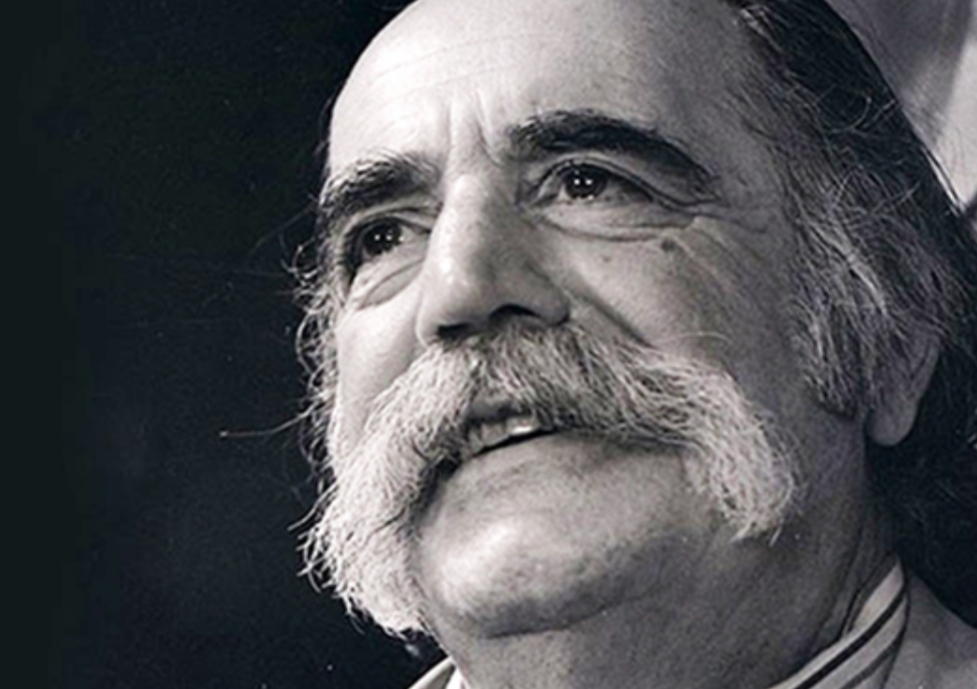
William Saroyan was born on August 31, 1908, in Fresno, California, to Armenak and Takuhi Saroyan, Armenian immigrants from Bitlis, Ottoman Empire. His father came to New York in 1905 and started preaching in Armenian Apostolic churches. At the age of three, after his father’s death, Saroyan, along with his brother and sister, was placed in an orphanage in Oakland, California. Saroyan decided to become a writer after his mother showed him some of his father’s writings. A few of his early short articles were published in Overland Monthly. His first stories appeared in the 1930s. Among these was “The Broken Wheel”, written under the name Sirak Goryan and published in the Armenian journal Hairenik in 1933.
In 1943, Saroyan married actress Carol Marcus, with whom he had two children, Aram, who became an author and published a book about his father, and Lucy, who became an actress. Saroyan died in Fresno, of prostate cancer at the age of 72.
Saroyan wrote extensively about the Armenian immigrant life in California. Many of his stories and plays are set in his native Fresno. Some of his best-known works are The Time of Your Life, My Name Is Aram and My Heart’s in the Highlands and so on.
Ուսումնական առաջին շրջանի ամփոփում (անգլերեն)
Այս ուսումնական շրջանի ընթացքում մենք բարելավեցինք մեր անգլերենը։ Գրեցինք շարադրություններ, վարժություններ, կարդացինք գրքեր, դիտեցինք հետաքրքիր ֆիլմեր, կատարեցինք լրացուցիչ աշխատանքներ։
Շարադրություններ
Վարժություններ
Լրացուցիչ աշխատանքներ
Գրքեր և տեքստեր
How I am going to celebrate the New Year

Like all kids, I love winter and I love to celebrate the New Year too. This year I am looking forward to the New Year. 2019 was a year of great joy and success for me. Maybe that’s the reason for my high holiday mood. Like every year, this year I will decorate Christmas tree and our home with my family until the New Year, so that we will be able to be in a better mood. My sister and I have decided to buy presents for all our family members. I hope it will snow this year as well, as it gives a Christmas mood. Like every year, I will celebrate the New Year with my family, relatives, and friends. For me it is very important and fun to be with my family on New Year’s Eve. December 31st is a very funny and good day. We are all preparing for the New Year. We set the table and decorate it. Then we watch exciting Christmas movies and shows with the whole family. And we are looking forward to the New Year. On New Year’s Eve we are waiting our guests to exchange our gifts in high spirits.
Homework file
Exercises
Match the words and their definitions
1.
A) Leisure – 4) free or unoccupied time
B) Entertainment – 3) something that serves for amusement
C) Opportunity – 1) a favourable position or chance
D) Occupation – 2) a job or proffession
2.
A) Calm – 2) not excited, nervous or troubled
B) Intelligent – 1) able to think, understand, and to learn things quickly and well
C) Brave – 3) willing to do things which are difficult or dangerous
D) Independent – 4) free from outside control
3 .
A) Miniature – 5) a model or copy of something on a very small scale
B) Signature – 1) the name of a person or a sign representing his name, marked by himself
C) Adventure – 2) an exciting or dangerous experiance
D) Gesture – 4) a movement of part of the body to express am idea or meaning
4.
A) Tornado – 1) a violent storm with very strong winds
B) Flood – 4) an overflow of a large amount of water beyond its normal limits
C) Snowstorm – 2) a heavy fall of snow, especially with a high wind
D) Breeze – 5) a gentle wind
5.
A) Request – 2) an act of asking politely or formally for something
B) Refusal – 5) an act of saying ‘no’ to an invitation, offer, etc.
C) Advice – 4) a suggestion about what somebody should do in a particular situation
D) Response – 1) a spoken or written answer
6.
A) Service – 5) the action of helping or doing work for someone
B) Catalogue – 1) a book that contains pictures of things that ……….
C) Brand – 2) a product or group of products that has its own name
D) Purchase – 4) something that you buy
7.
A) Lie – 4) a statement that is not true
B) Compliment – 1) a police expression of praise or admiration
C) Flattery – 5) a false insincere praise
D) Prize – 2) An award given to the winner
8.
A) Contract – 5) a written legal agreement between two people or organizations
B) Quarrel – 4) an angry argument
C) Discussion – 3) the process of talking something over
D) Trial – 2) hearing and judging a person or case in a court
9 .
A) Conversation -4) an informal talk between people
B) Exclamation – 3) en emphatic or excited cry
C) Utterance -2) the act or process of speaking or expressing in words
D) Argument -1) an exchange of opposite views, typically an angry one
10 .
A) Ordinary -5) of common or established type, usual
B) Strange -1) odd, unusual, or extraordinary
C) Human -3) relating to or characterizing people
D) Hostile -2) showing strong dislike
11.
A) Match -1) a game in which individuals or teams compete
B) Situation -4) a set of circumstances
C) Incident -2) an event or occurrence
D) Performance -3) an act of presenting a play, concert, etc.
12.
A) Production-5) the process of growing or making goods or materials
B) Amount -4) a sum of money
C) Equivalence-2) equality in value, amount, meaning
D) Substance-1) a kind of matter with particular properties
13.
A) Consideration-1) careful thought, typically over a period of time
B) Motive-2) a reason for doing something
C) Motion-3) the action or process of moving or being moved
D) Command-4) an order given to a person or an animal
14.
A) Flexible -4) able to make changes or deal with a situtaion that is changing
B) Reliable-1) good in quality or performance; able to be trusted
C) Predictable-3)always behaving or occurring in the way expected
D) Authentic-5) of undisputed origin and not a copy; genuine
15.
A) Dispute -5) an argument or a disagreement
B) Peace -2) the state existing during the absence of war
C) Treaty-4) a formal agreement between countries
D) Battle-3) a fight between large armed forces
How I spent my autumn holidays
I like autumn holidays, but I think they’re very short. I woke up a little later than usual. During my autumn holidays I did my homework and I read a very interesting and exciting book. The name of that book was “Wonder”. It was about a little boy who had Thrush Collins Syndrome. His name was August. I really liked it very much. Then I watched a film according to the book. On Sunday I went to the Republic square with my best friend. I hadn’t seen her for a long time. It was a wonderful day. When I was free, I was playing the piano. I learned to play some new music. And of course every day I was playing with my little brother. He’s only 1 year old.

Texts-Alexander
A private conversation
Last week I went to the theatre. I had a very good seat. The play was very interesting. I did not enjoy it. A young man and a young woman were sitting behind me. They were talking loudly. I got very angry. I could not hear the actors. I turned round. I looked at the man and the woman angrily. They did not pay any attention. In the end, I could not bear it. I turned round again. ‘I can’t hear a word!’ I said angrily.
‘It’s none of your business,’ the young man said rudely. ‘This is a private conversation!’
Questions
- Where did the writer go last week?
- Did he enjoy the play or not?
- Who was sitting behind him?
- Were they talking loudly, or were they talking quietly?
- Could the writer hear the actors or not?
- Did he turn round or not?
- What did he say?
- Did the young man say, ‘The play is not interesting.’ or did he say, ‘This is a private conversation!’ ?
Breakfast or lunch
It was Sunday. I never get up early on Sundays. I sometimes stay in bed until lunch time. Last Sunday I got up very late. I looked out of the window. It was dark outside. ‘What a day!’ I thought. ‘It’s raining again.’ Just then, the telephone rang. It was my aunt Lucy. ‘I’ve just arrived by train,’ she said. ‘I’m coming to see you.’
‘But I’m still having breakfast,’ I said.
‘What are you doing?’ she asked.
‘I’m having breakfast,’ I repeated.
‘Dear me,’ she said. ‘Do you always get up so late? It’s one o’clock!’
Questions
- Does the writer always get up early on Sundays, or does he always get up late?
- Did he get up early last Sunday, or did he get up late?
- Who telephoned then?
- Had she arrived by train, or had she come on foot?
- Was she coming to see him or not?
- Did he say, ‘I’m still having breakfast’, or did he say, ‘I am still in bed’?
- Was his aunt very surprised or not?
- What was the time?
Please send me a card
Postcards always spoil my holidays. Last summer, I went to Italy. I visited museums and sat in public gardens. A friendly waiter taught me a few words of Italian. Then he lent me a book. I read a few lines, but I did not understand a word. Every day I thought about postcards. My holidays passed quickly, but I did not send any cards to my friends. On the last day I made a big decision. I got up early and bought 37 cards. I spent the whole day in the room, but I did not write a single card!
- Do postcards always spoil the writer’s holidays or not?
- Where did he spend his holidays last summer?
- What did he think about every day?
- Did he send any cards to his friends or not?
- How many cards did he buy on the last day?
- Where did he stay all day?
- Did he write any cards or not?
An exciting trip
I have just received a letter from my brother, Tim. He is in Australia. He has been there for six months. Tim is an engineer. He is working for a big firm and he has already visited a great number of different places in Australia. He has just bought an Australian car and has gone to Alice Springs, a small town in the centre of Australia. He will soon visit Darwin. From there, he will fly to Perth. My brother has never been abroad before, so he is finding this trip very exciting.
Questions
- What has the writer just received from his brother, Tim?
- Is Tim an engineer, or is he a doctor?
- How long has he been in Australia?
- Has he already visited many places or not?
- Where is he now?
- Has Tim ever been abroad before or not?
- Is he enjoying his trip very much or not?
No wrong numbers
Mr James Scott has a garage in Silbury and now he has just bought another garage in Pinhurst. Pinhurst is only five miles from Silbury, but Mr Scott cannot get a telephone for his new garage, so he just bought twelve pigeons. Yesterday, a pigeon carried the first message from Pinhurst to Silbury. The bird covered the distance in three minutes. Up to now, Mr Scott has sent a great many requests for spare parts and other urgent messages from one garage to the other. In this way, he has begun his own private ‘telephone’ service.
Questions
- Where has Mr Scott opened his second garage?
- Where is his first garage?
- How far away is Silbury?
- Can Mr Scott get a telephone for his new garage or not?
- What has he bought?
- In how many minutes do they carry messages from one garage to other?
Percy Buttons
I have just moved to a house in Bridge Street. Yesterday a beggar knocked at my door. He asked me for a meal and a glass of beer. In return for this, the beggar stood on his head and sang songs. I gave him a meal. He ate the food and drank the beer. Then he put a piece of cheese in his pocket and went away. Later a neighbour told me about him. Everybody knows him. His name is Percy Buttons. He calls at every house in the street once a month and always asks for a meal and aglass of beer.
Questions
- Has the writer just moved to a house in Bridge Street or not?
- Who knocked at her door yesterday?
- Did he sing songs, or did he ask for money?
- What did the writer give him in return for this?
- What is the beggar’s name?
- Does he call at every house once a week or once a month?
Laughter is the best medicine
An old saying says, “Laughter is the best medicine. ” One person who certainly would have agreed with this is Norman Cousins.
Norman Cousins was the editor of magazine called Saturday Review for almost forty years. He also wrote and spoke about world peace and anti-nuclear and anti-war issues, travelling to many different countries to share his ideas.
In the 1960s, after returning to the United States from a busy and tiring trip to Europe, Mr. Cousins got sick. He discovered he had a rare disease, known as ankylosing spondylitis, that caused the joints between his bones to become stiff.
In less than a week after he got back, he could not stand. Every move that he made was painful. He was not able to sleep at night. The doctors told Mr. Cousins that they did not know how to cure his problem and he might never get over the illness. Mr. Cousins, however, refused to give up hope.
Mr. Cousins thought that the illness could be caused by unhappy thoughts. He did not want to take medicine to cure himself. Instead, he felt that happy thoughts or laughter might cure his illness.
He began to experiment on himself while still in the hospital by watching Comedy shows on television. Mr. Cousins quickly found that ten minutes of real laughter during the day gave him two hours of pain-free sleep at night.
Deciding that the doctors could not help him, Mr. Cousins left the hospital and checked into a hotel room where he could continue his experiments with laughter. For eight weeks , Mr. Cousins rested in the hotel room watching comedy shows on television, reading amusing books, and sleeping whenever he felt tired. Within three weeks, he felt well enough to take vacation to Puerto Rico where he began running on the beach for exercise.
After a few months, Mr. Cousins was able to carry on his work. He had laughed himself back to health.
- Who was Norman Cousins?
- What was the name of his magazine?
- When did he return to the United States?
- When did he get sick?
- What was the name of his disease?
- What did the doctors tell him?
- What did he decide to do?
- What kind of experiments did Mr. Cousins begin to do when he realise that doctors could not cure him?
- How long did it take from him to get over his illness completely?
- What was the result of the treatment?
 Մելինե Մարտիրոսյան