The Boston Tea Party was a protest by American colonists against King George III’s rule in America. It happened on the 16th of December, in 1773. The target was the Tea Act of May 10, 1773, which allowed the British East India company to sell tea from China in American colonies. They boarded the ships and threw the chests of tea into the Boston Harbor. The Tea Party became an iconic event of American history, and since then other political protests such as the Tea Party movement have referred to themselves as historical successors to the Boston protest of 1773. The event was the first major act of defiance to British rule over the colonists. It showed Great Britain that Americans wouldn’t take taxation and tyranny sitting down, and rallied American patriots across the 13 colonies to fight for independence.
Who Organized the
Boston Tea Party?
Though lead
by Samuel Adams and his Sons of Liberty and organized by John Hancock, the
names of many of those involved in the Boston Tea Party remain unknown. Thanks
to their Native American costumes, only one of the tea party culprits, Francis
Akeley, was arrested and imprisoned.
Even after
American independence, participants refused to reveal their identities, fearing
they could still face civil and criminal charges as well as condemnation from
elites for the destruction of private property. Most participants in the Boston
Tea Party were under the age of forty and sixteen of them were teenagers.
Boston Tea Party Ships
and Museum
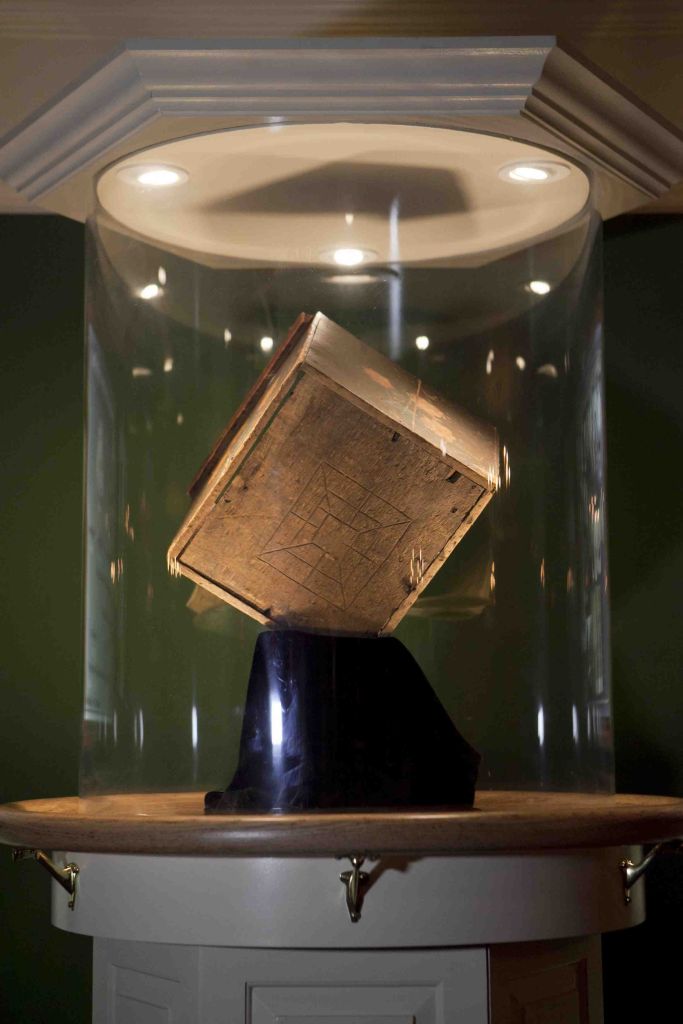
The Boston Tea Party Museum is located on the Congress Street Bridge in Boston. It features reenactments, a documentary, and a number of interactive exhibits. The museum features two replica ships of the period, Eleanor and Beaver. Additionally, the museum possesses one of two known tea chests from the original event, part of its permanent collection.
Լեսբոսից հյուսիս, Պետրայի և Մոլիվոսի միջև անմարդաբնակ, ամայի
կղզի կար։ Այդ կղզում ապրում էր մի պապիկ, ում անունը Դիմիտրիս էր։ Պապիկը ամեն ամիս
գնում էր քաղաք՝ անհրաժեշտ իրերը գնելու։ Քաղաքից վերադառնալուց բարձրանում էր սարի
վրա գտնվող եկեղեցին և աղոթում էր։ Դիմիտրիսի որդիները զոհվել էին պատերազմում, բայց
նա հույս ուներ, որ նրանք ողջ են և մի օր վերադառնալու են։
Մի օր նա երկու ճայի ձագ է գտնում ժայռաքարերի արանքում։ Ձմեռ
էր, ձագերը մեղքն եկան, և բերեց իր տնակը։ Ճայերին պահեց, մեծացրեց և մի օր որոշեց
անուն դնել նրանց։ Այդ օրվանից սկսեց թռչուններին կանչել իր զոհված որդիների անուններով(Վասիլակիս, Արղիրիս)։ Երբ ճայերը
մեծացան, որոշեց ազատ արձակել նրանց։ Սակայն ճայերը երեկոյան վերադարձան։ Պապիկին այնքան
էր ուրախացել, կարծես իր որդիներն էին վերադարձել։
Ամառային մի երեկո ճայերը չվերադարձան։ Դիմիտրիս պապիկը մտածում
էր, հեռու են գնացել։ Անցան օրեր, բայց ճայերը չկային։ Մի քանի օր հետո նա նկատեց,
որ այդ ամայի կղզի են եկել մի տղա և աղջիկ։ Ծերուկը վաղուց այդ կղզում մարդ չէր տեսել։
Որոշ ժամանակ անց ծերուկը նրանցից իմանում է, որ իր ճայերին կրակել են։ Պապիկը շատ
ծանր է տանում այդ լուրը։ Նա կարծես երկրորդ անգամ կորցնում է իր որդիներին։ Ճայերը
նրա համար շատ հարազատ էին դարձել և շատ կապված էր նրանց հետ։
Մենակություն․․․
Բոլորս էլ վախենում ենք մենակությունից, իսկ այս պատմության մեջ պապիկը երկրորդ անգամ զգաց այդ ցավը, մենակությունը։
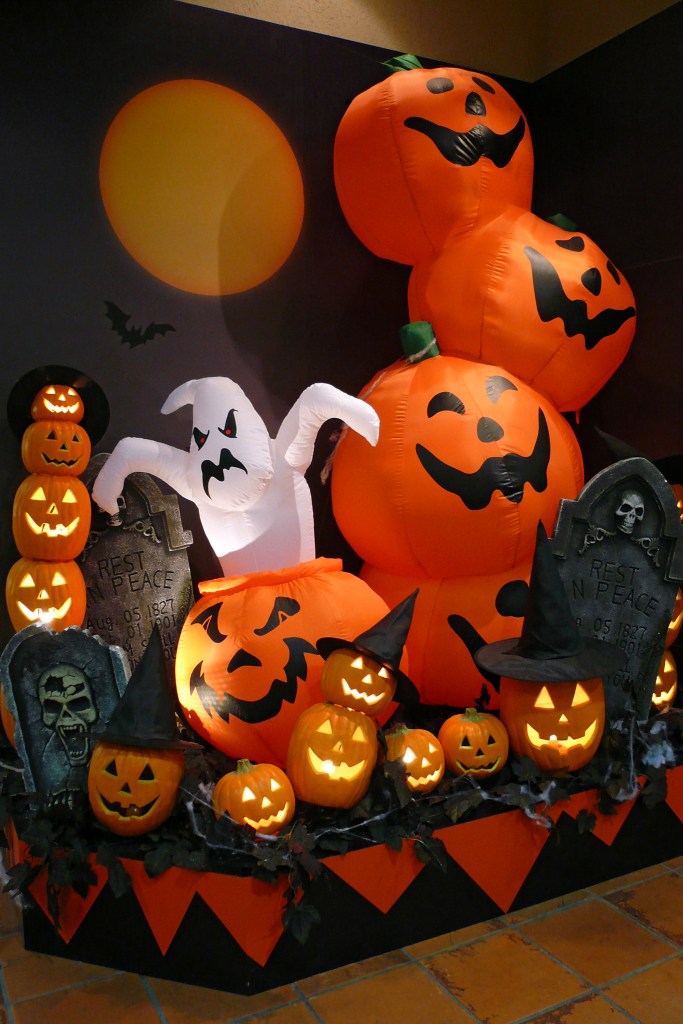
Halloween is a celebration observed in several countries on 31 of October. Halloween activities include attending Halloween costume parties, carving pumpkins into jack-o’-lanterns, lighting bonfires, apple bobbing, playing pranks and games, visiting attractions, telling scary stories, as well as watching horror films. The word Halloween or Hallowe’en dates to about 1745 and it is of Christian origin. The word “Hallowe’en” means “Saints’ evening”. It comes from a Scottish term for All Hallows’ Eve. Although the phrase “All Hallows'” is found in Old English “All Hallows’ Eve” is itself not seen until 1556. Halloween costumes are traditionally modeled after supernatural figures such as vampires, monsters, ghosts, skeletons, witches, and devils.
Trick-or-treating
Trick-or-treating is a Halloween ritual custom for children and adults in many countries. Children in costumes travel from house to house, asking for treats with the phrase “Trick or treat”. The “treat” is usually some form of candy.
Costumes
Dressing up in costumes and going “guising” was prevalent in Scotland and Ireland at Halloween by the late 19th century. A Scottish term, the tradition is called “guising” because of the disguises or costumes worn by the children. In Ireland the masks are known as ‘false faces’. Costuming became popular for Halloween parties in the US in the early 20th century, as often for adults as for children. The first mass-produced Halloween costumes appeared in stores in the 1930s when trick-or-treating was becoming popular in the United States.
Games and other
activities
There are
several games traditionally associated with Halloween. During the Middle Ages,
these rituals were done by a “rare few” in rural communities as they
were considered to be “deadly serious” practices. In recent
centuries, these divination games have been “a common feature of the
household festivities” in Ireland and Britain. They often involve apples
and hazelnuts. In Celtic mythology, apples were strongly associated with the
Otherworld and immortality, while hazelnuts were associated with divine wisdom.
Some also suggest that they derive from Roman practices in celebration of
Pomona.
Food
There are some kinds of food which are associated with Halloween. For example barmbrack, bonfire toffee, toffee apples , candy apples, candy corn, candy pumpkins, chocolate, monkey nuts, caramel apples, caramel corn, colcannon, halloween cake, sweets, candy, novelty candy shaped like skulls, pumpkins, bats, worms, roasted pumpkin seeds, roasted sweet corn, soul cakes.
Քաղաքակրթությունը նյութական և հոգևոր մշակույթի մակարդակ է: Առաջին անգամ այս հասկացությունը օգտագործել են 18-րդ դարում: Քաղաքակրթություններն առաջացել են նեոլիթյան հեղափոխությունից հետո, որը տեղի է ունեցել մ.թ.ա. 8000-5000 թվականներին: Քաղաքակրթության հիմնական հատկանիշներն են տեխնիկայի զարգացումը, մարդկանց խոշոր կուտակումները մեծ քաղաքներում և այլն: Այն սերտորեն կապված է մշակույթ հասկացության հետ: Քաղաքակրթության առանձնահատկություններն են` • Կենցաղը • Տնտեսական համակարգերը • Գրագիտությունը • Կենսամիջոցների տեսակները և այլն Քաղաքակրթության տարրերն են` 1. Պետությունը 2. Գիտությունը և գիտատեխնիկական առաջընթացը 3. Արվեստը 4. Եկեղեցին
Քաղաքակրթությունների անկում Քաղաքակրթությունները անկում են ապրում այն ժամանակ, երբ մտնում են մեկ այլ տարածված քաղաքակրթության մեջ կամ այն ժամանակ, երբ տեղի է ունենում ճգնաժամ:
Մշակույթը այն ամենն է, ինչ ստեղծվել է մարդու կողմից պատմության զարգացման ընթացքում: Մշակույթը լինում է հոգևոր և նյութական: Հոգևոր մշակույթը ընդգրկում է հոգևոր արտադրության, գիտակցության, ունակությունների, գիտելիքի ոլորտը, նյութական մշակույթը` մարդկանց գործունեության առարկայական արդյունքները: Հոգևոր մշակույթի ոլորտներն են` • Գիտությունը • Կրոնը • Արվեստը • Բարոյականությունը • Փիլիսոփայությունը • Իրավունքը • Քաղաքականությունը Մշակույթ բառով բնութագրում էին նաև մարդկանց: Այն մարդկանց (արիստոկրատներ), ովքեր տարբերվում էին իրենց կրթվածությամբ, անվանում էին «կուլտուրական», իսկ սովորական քաղաքացիներին` «անկուլտուրական»:
Հայկական մշակույթ Հայկական մշակույթը հայ ժողովրդի ստեղծած նյութական և հոգևոր արժեքների ամբողջությունն է: Մշակույթի ճյուղերն են` • Լեզուն • Գրականությունը • Ճարտարապետությունը • Քանդակագործությունը • Նկարչությունը • Երաժշտությունն ու պարարվեստը • Թատրոնն ու կինոն Հայկական մշակույթը ձևավորվել ու զարգացել է ոչ միայն բուն Հայաստանում, այլև Սփյուռքում:
Այսպիսով՝ մշակույթը այն ամենն է, ինչ շրջապատում է յուրաքանչյուրիս: Մշակույթը մեծ դեր է խաղացել մեր երկրի զարգացման գործում: Մշակույթի շնորհիվ է, որ մեր երկիրը անգամ ամենածանր պահին չի կործանվել:
«Ջրհորի մոտ» պատմվածքը պատմում է Առաջին համաշխարհային պատերազմից մի դրվագ, որտեղ միմյանց դեմ կռվում էին ռուսական և ավստրիական զորքերը։ Պատմվածքի գլխավոր հերոսը Բաղդասարն էր։ Այն օրը, երբ պետք է ջուր մատակարարեին, անհասկանալի պատճառով չեն մատակարարում։ Տղաները ծարավ էին և այլևս չէին կարողանում կռվել։ Այդ պատճառով որոշում են, որ իրենցից մեկը պետք է գնա մոտակա ջրհորը և ջուր բերի բոլորի համար։ Վիճակ են գցում, թե ով գնա, և վիճակն ընկնում է Բաղդասարին։ Նա սողեսող տեղ է հասնում։ Սպիտակ թաշկինակը թափահարելով՝ նա ջուրը հասցնում է ընկերներին։ Սակայն ջուրը չի բավականացնում բոլորին։ Այս անգամ որոշում են խմբով գնալ։ Ավստրիացիները նույնպես ծարավ էին։ Երկու կողմերը իրար հանդիպում են ջրհորի մոտ։ Մոռանալով պատերազմի մասին՝ նրանք զրուցում և ծիծաղում էին։ Երեկոյան հրամայում են կրակ բացել թշնամու վրա։ Զինվորները չէին ուզում կռվել։ Հաջորդ օրը իմանում են, որ իրենց բարեհոգի վաշտապետին սպանել են։ Սպանել են, քանի որ թողել է տղաներին գնալ ջրհորի մոտ։ Զինվորները սպանում են մատնիչին։ Պատմվածքը մարդկային ամուր հարաբերությունների, նվիրվածության ու ամենաանկեղծ հավատարմության մասին է։








 Մելինե Մարտիրոսյան