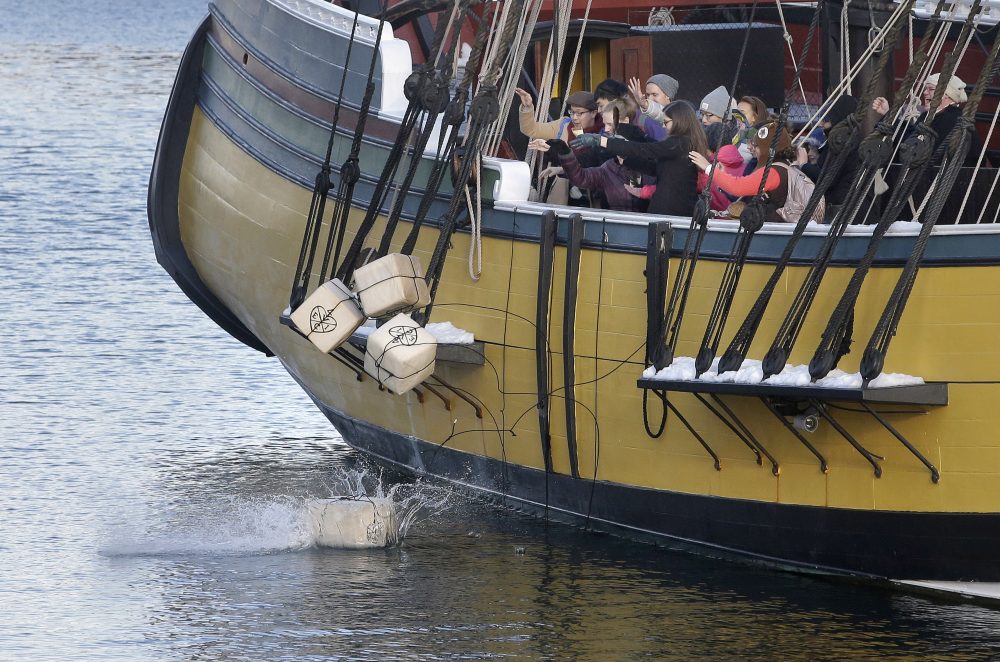
The Boston Tea Party was a protest by American colonists against King George III’s rule in America. It happened on the 16th of December, in 1773. The target was the Tea Act of May 10, 1773, which allowed the British East India company to sell tea from China in American colonies. They boarded the ships and threw the chests of tea into the Boston Harbor. The Tea Party became an iconic event of American history, and since then other political protests such as the Tea Party movement have referred to themselves as historical successors to the Boston protest of 1773. The event was the first major act of defiance to British rule over the colonists. It showed Great Britain that Americans wouldn’t take taxation and tyranny sitting down, and rallied American patriots across the 13 colonies to fight for independence.
Who Organized the Boston Tea Party?
Though lead by Samuel Adams and his Sons of Liberty and organized by John Hancock, the names of many of those involved in the Boston Tea Party remain unknown. Thanks to their Native American costumes, only one of the tea party culprits, Francis Akeley, was arrested and imprisoned.
Even after American independence, participants refused to reveal their identities, fearing they could still face civil and criminal charges as well as condemnation from elites for the destruction of private property. Most participants in the Boston Tea Party were under the age of forty and sixteen of them were teenagers.
Boston Tea Party Ships and Museum
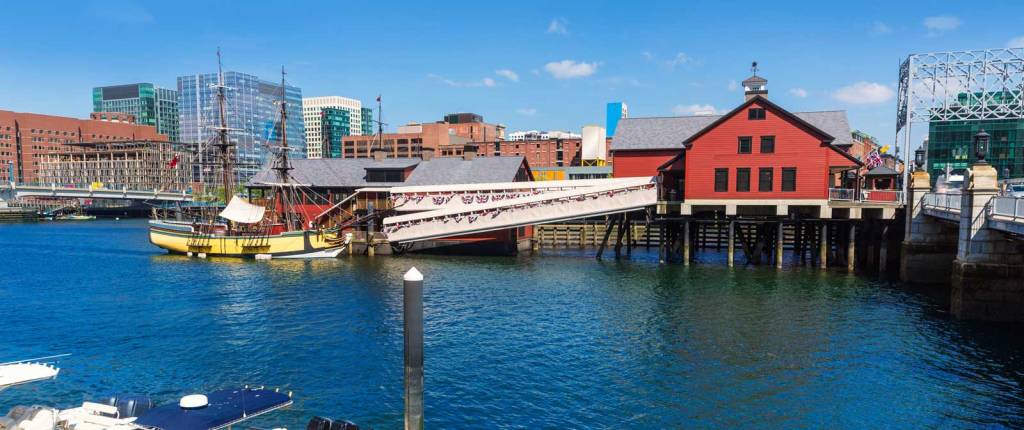
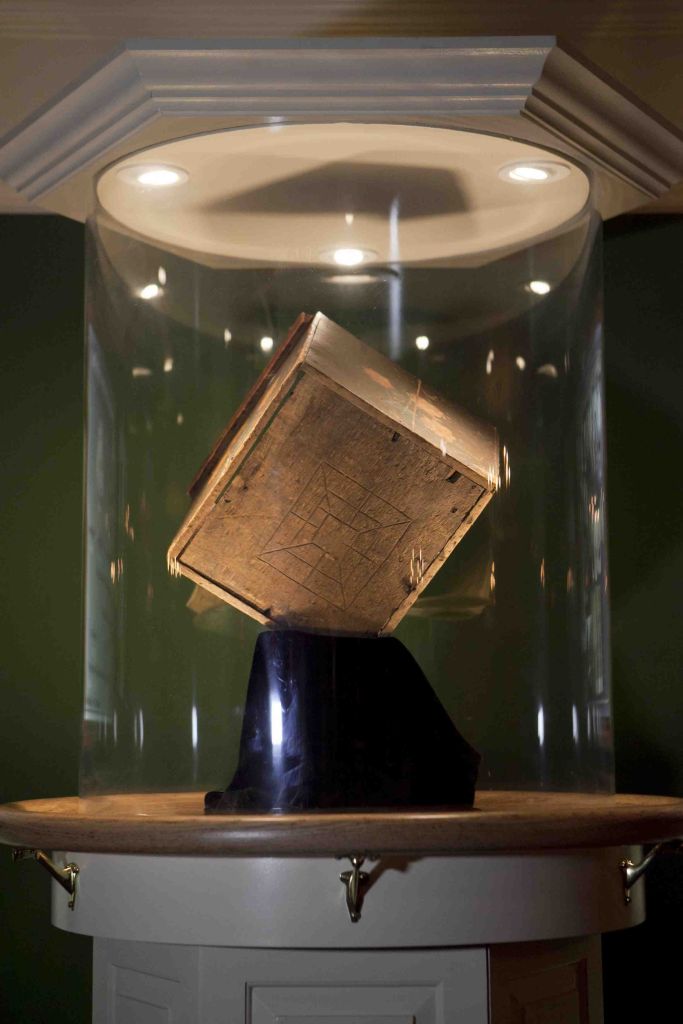
The Boston Tea Party Museum is located on the Congress Street Bridge in Boston. It features reenactments, a documentary, and a number of interactive exhibits. The museum features two replica ships of the period, Eleanor and Beaver. Additionally, the museum possesses one of two known tea chests from the original event, part of its permanent collection.

 Մելինե Մարտիրոսյան